Rust 8 GB
8 GB memory, 4 vCore CPU and 50 GB NVMe disk. Console, file manager and all game settings from your panel.
₺489,00
/ Aylık
- Processor
- 4 vCore
- Memory
- 8 GB memory
- Disk
- 50 GB NVMe
RUST
Vanilla Rust dedicated servers on Intel Core i9-12900K with NVMe storage. Map size, seed, player count and RCON are all yours from the panel.
Starting at₺489,00 / Aylık
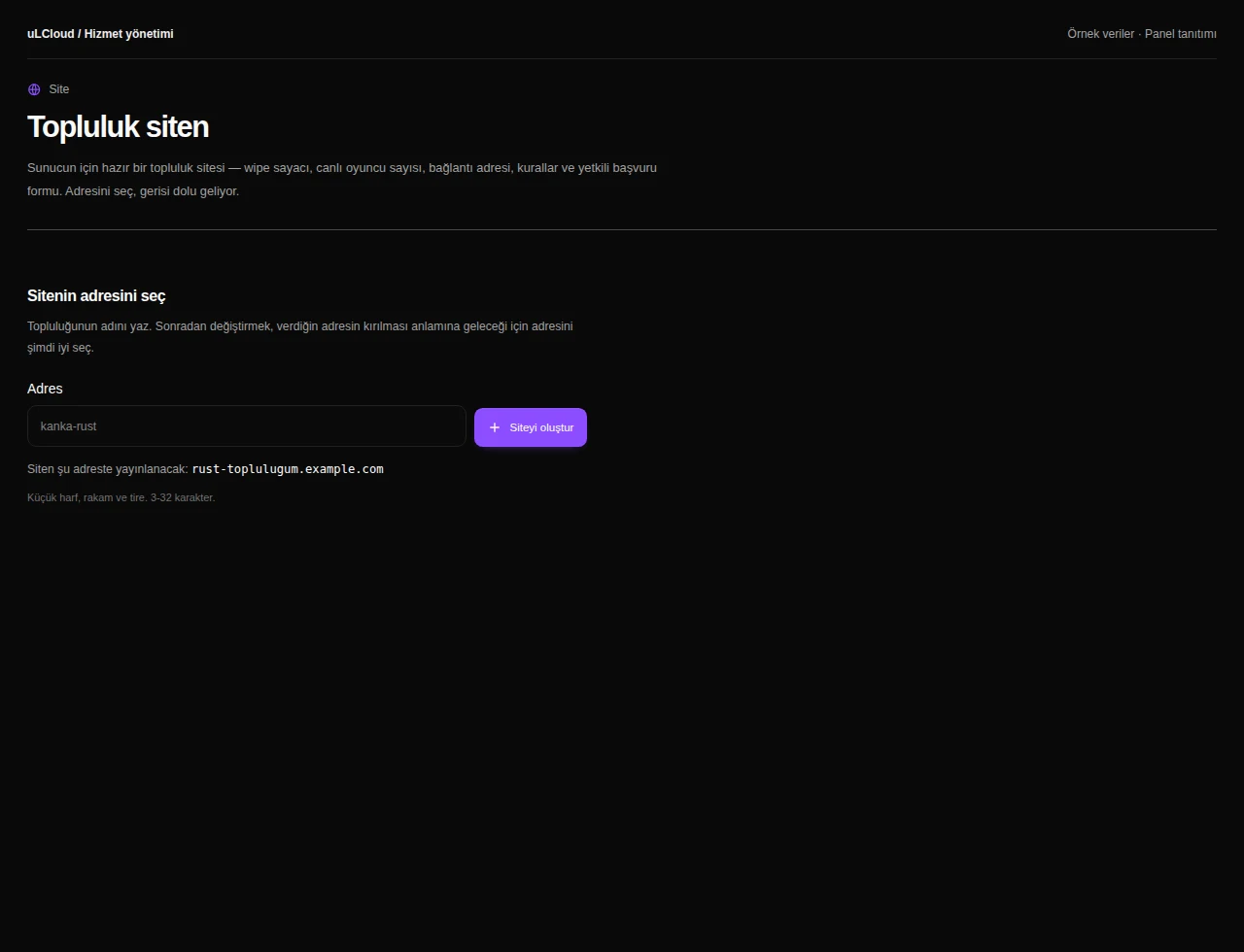
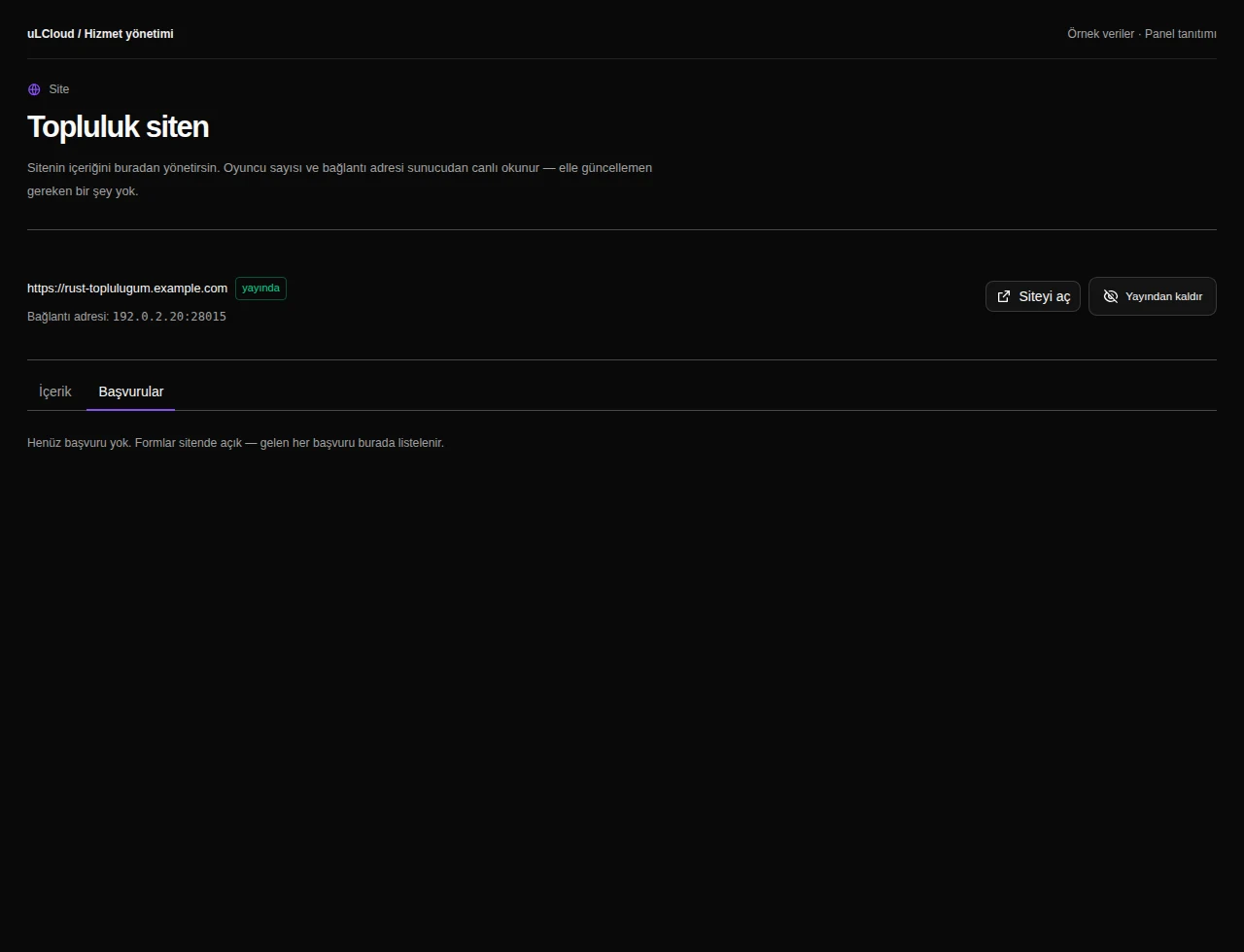
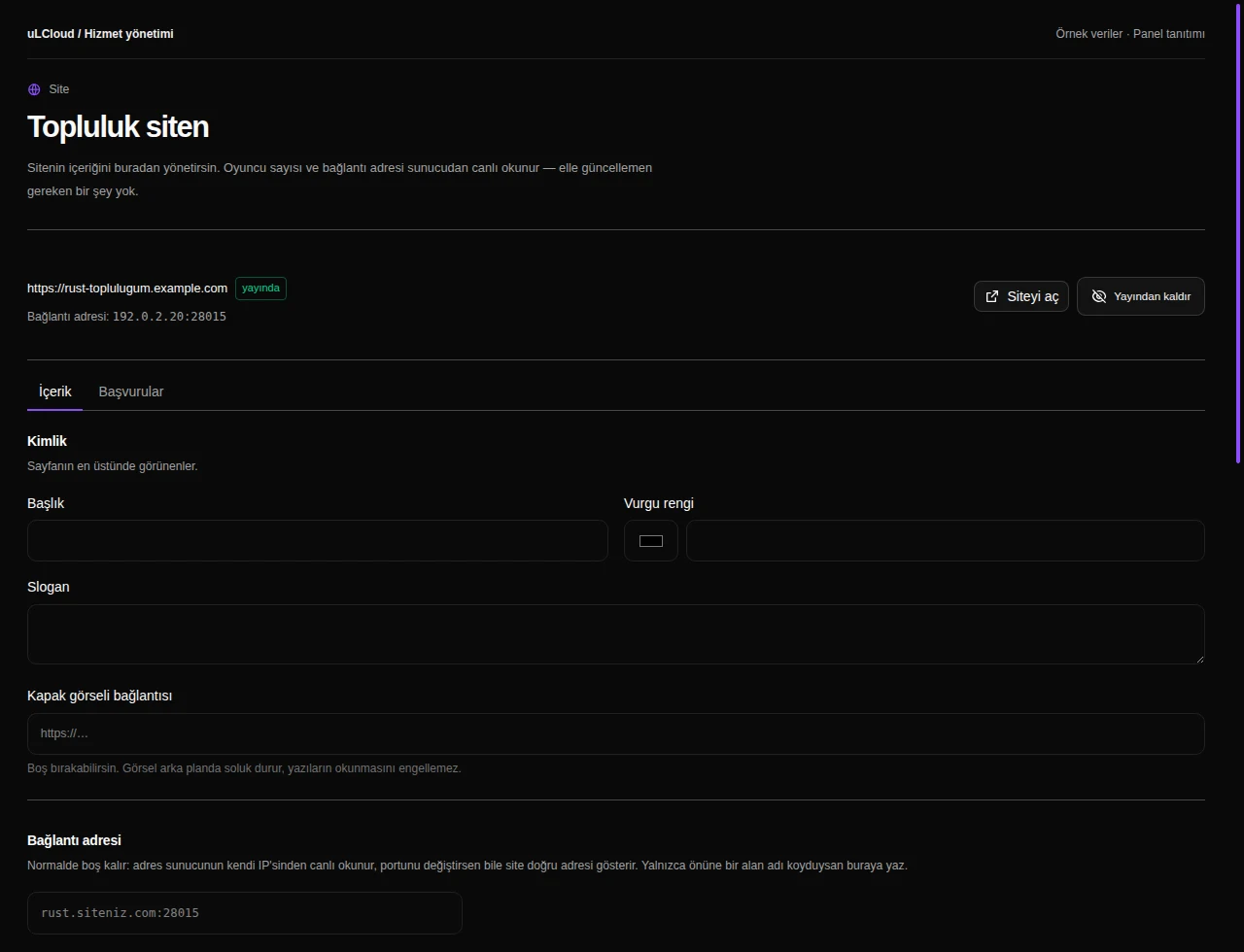
Create a free community website with your Rust server. Choose an available address in the Site tab, add your content and bring your players together.
Limited-capacity campaign for eligible Rust plans. Create the site in your service panel using an available site domain. Website availability is tied to your service.
RUST
Compare the resources and prices of the available plans.
8 GB memory, 4 vCore CPU and 50 GB NVMe disk. Console, file manager and all game settings from your panel.
12 GB memory, 6 vCore CPU and 75 GB NVMe disk. Console, file manager and all game settings from your panel.
16 GB memory, 8 vCore CPU and 100 GB NVMe disk. Console, file manager and all game settings from your panel.
24 GB memory, 10 vCore CPU and 150 GB NVMe disk. Console, file manager and all game settings from your panel.
32 GB memory, 12 vCore CPU and 200 GB NVMe disk. Console, file manager and all game settings from your panel.
RUST
Map, mods and community. Plan your Rust server around its needs.
Estimate the resources for your map and play style.
Compare the CPU, memory and storage listed in each plan.
Shape your server rules and community experience.
Plan features
| Plan features | Rust 8 GB | Rust 12 GB | Rust 16 GB | Rust 24 GB | Rust 32 GB |
|---|---|---|---|---|---|
| Processor | 4 vCore | 6 vCore | 8 vCore | 10 vCore | 12 vCore |
| Memory | 8 GB memory | 12 GB memory | 16 GB memory | 24 GB memory | 32 GB memory |
| Disk | 50 GB NVMe | 75 GB NVMe | 100 GB NVMe | 150 GB NVMe | 200 GB NVMe |
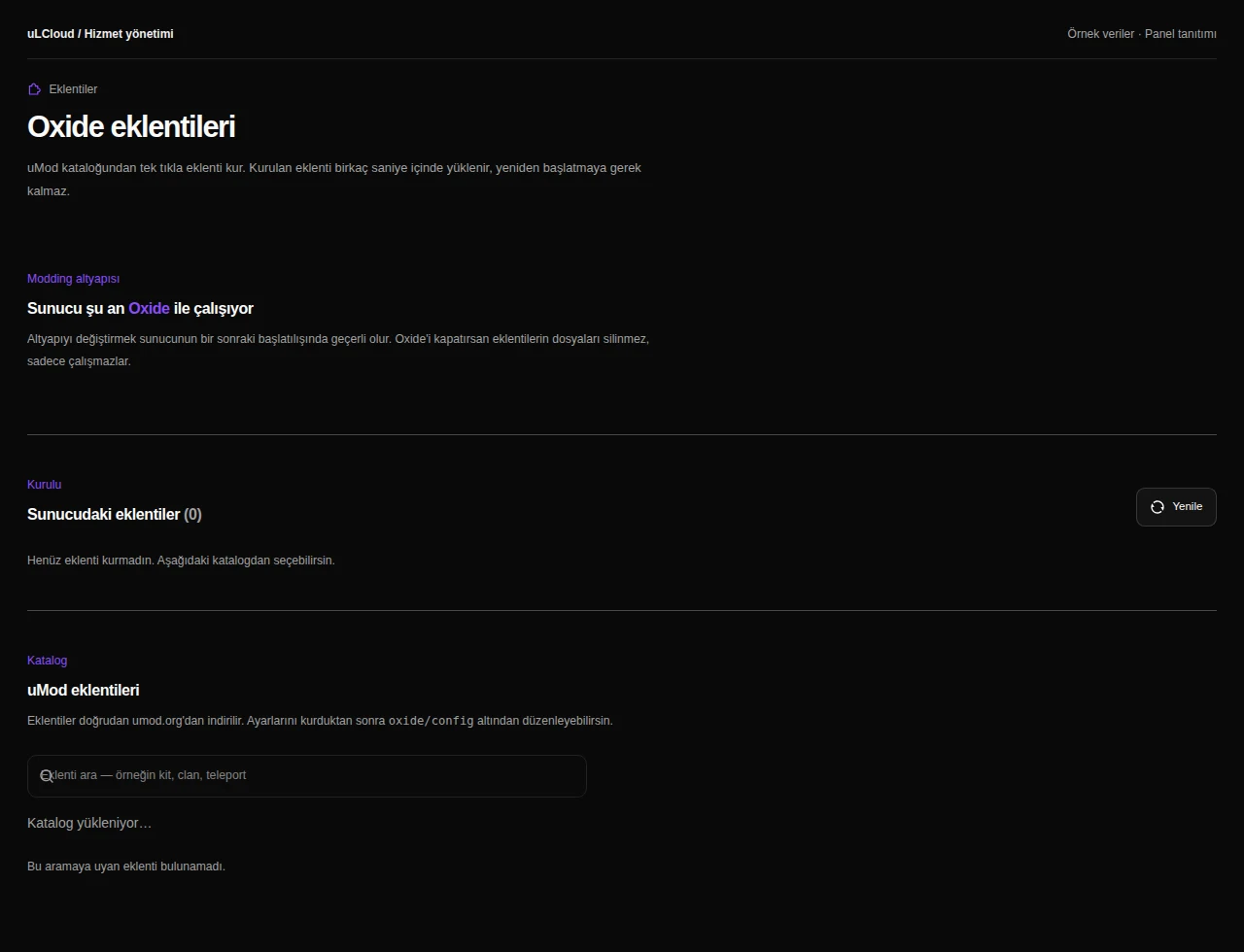
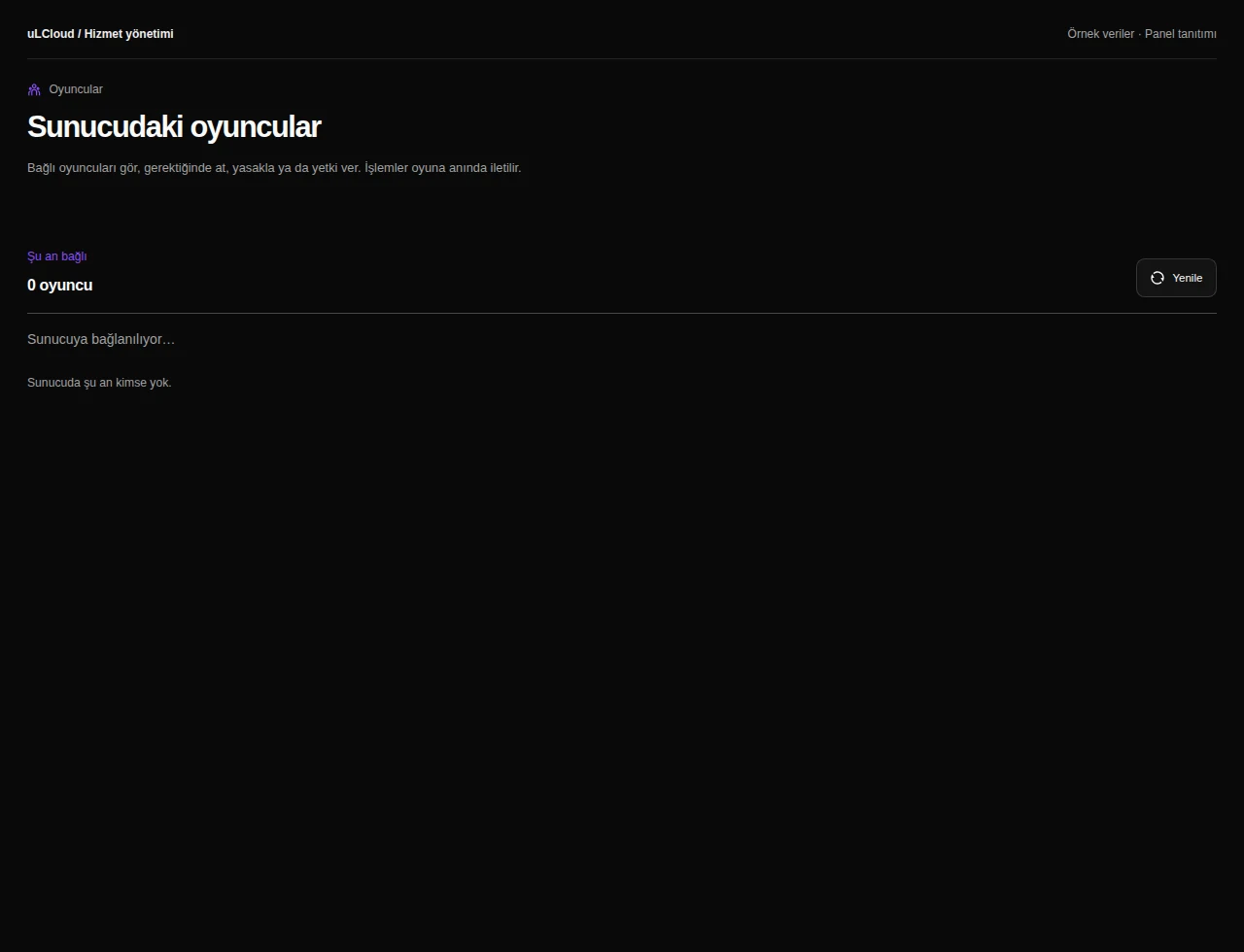
EXPLORE YOUR PANEL BEFORE BUYING
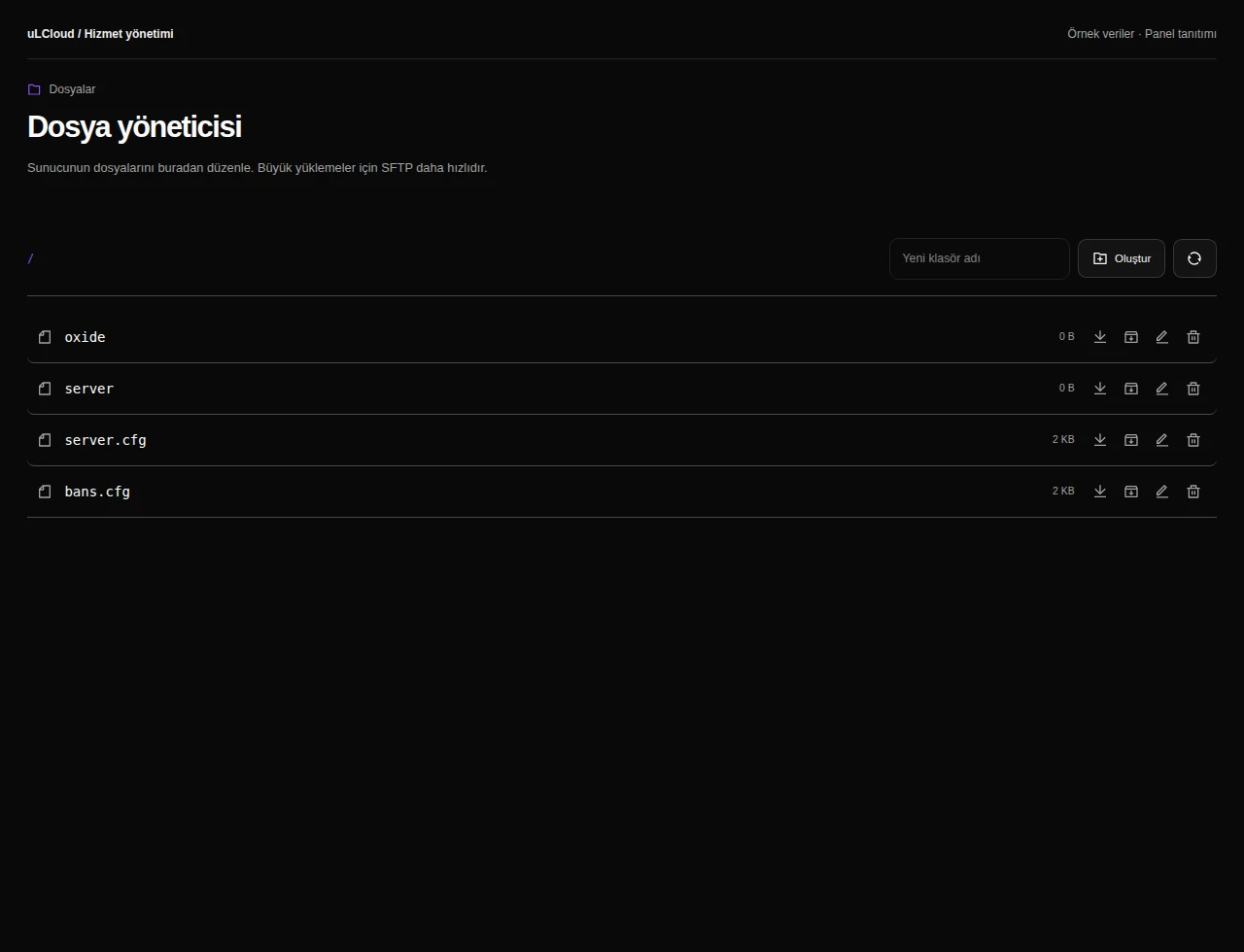
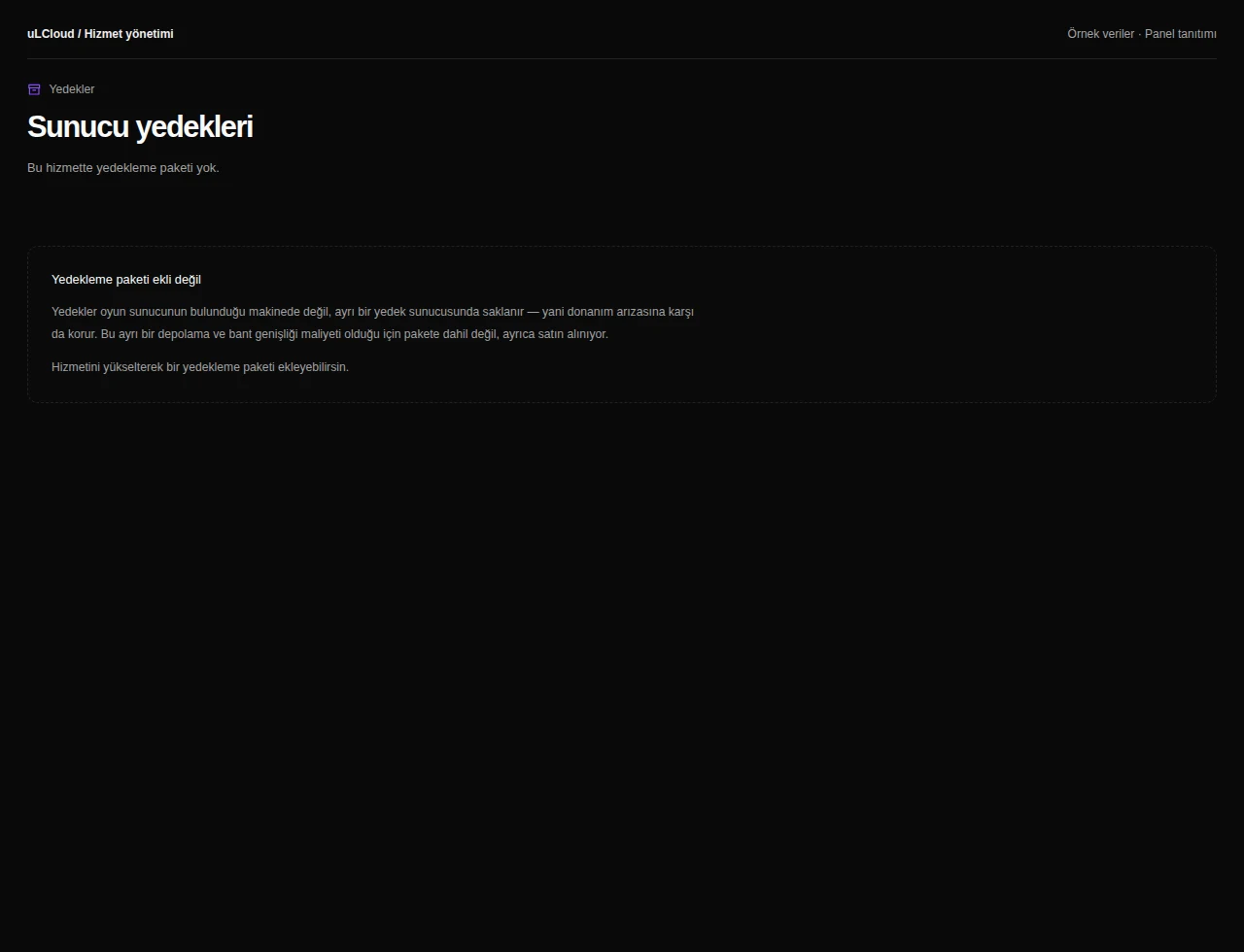
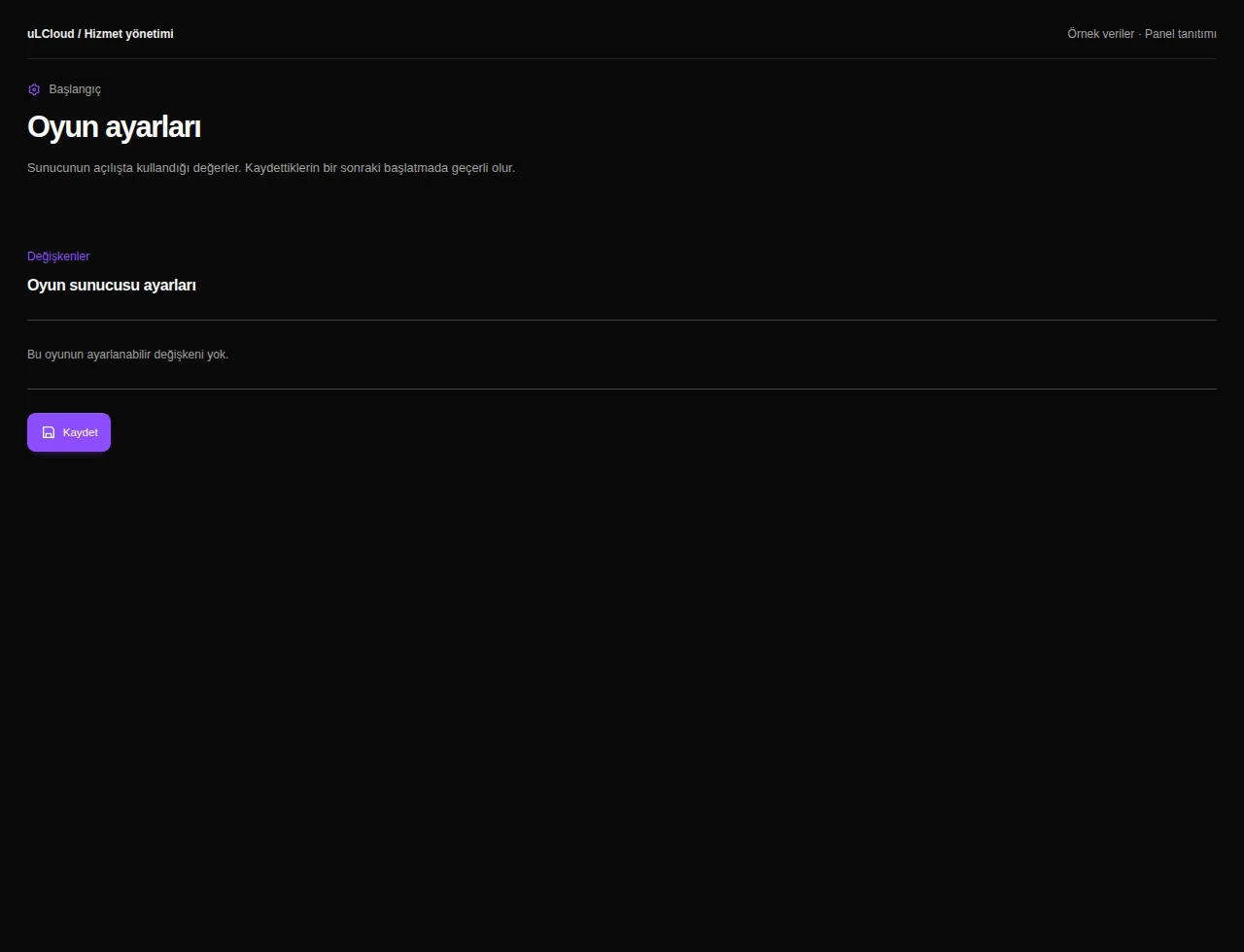
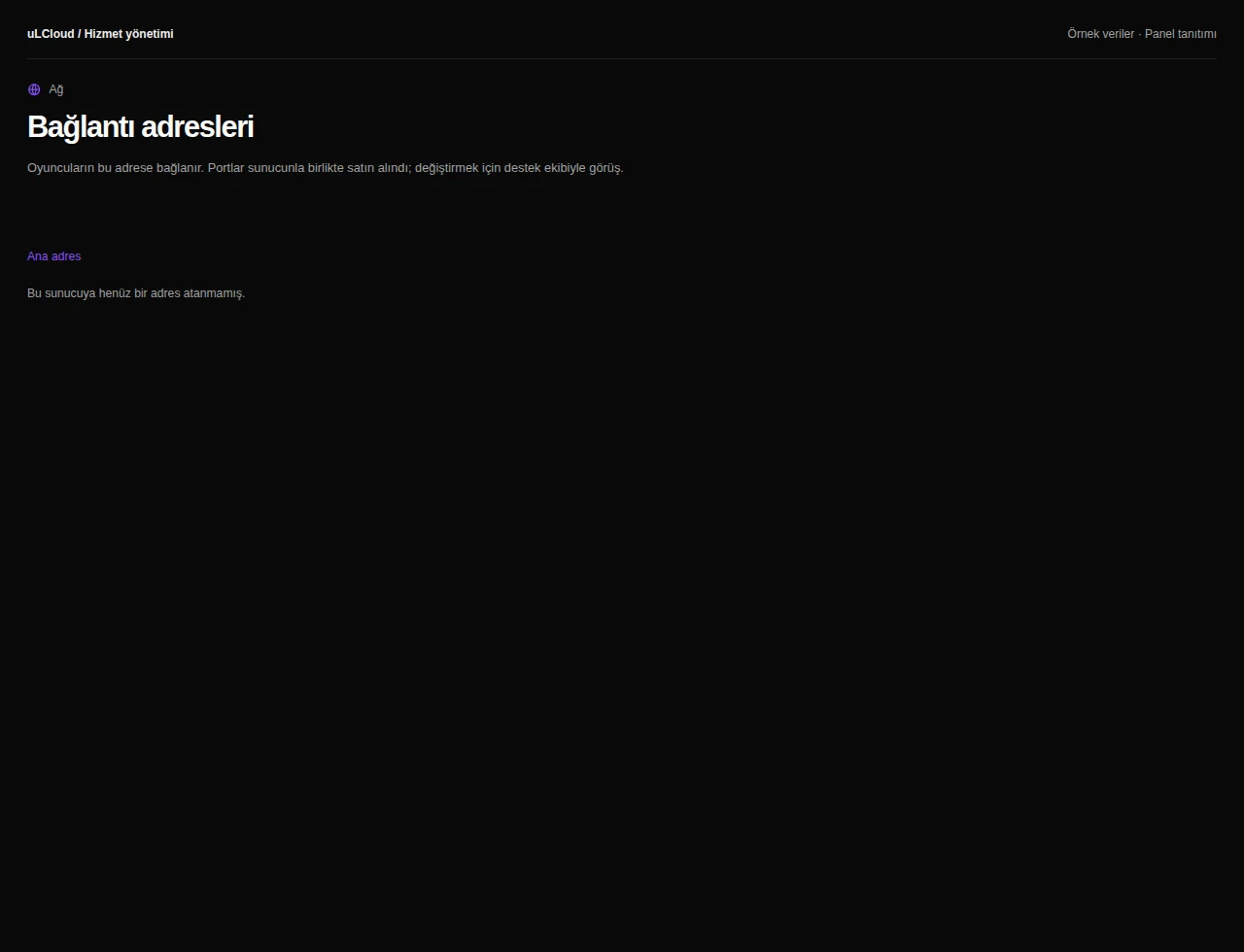
Take a closer look at the management screens you will use. These images were rendered from our existing customer panel templates.
All panel screens 11
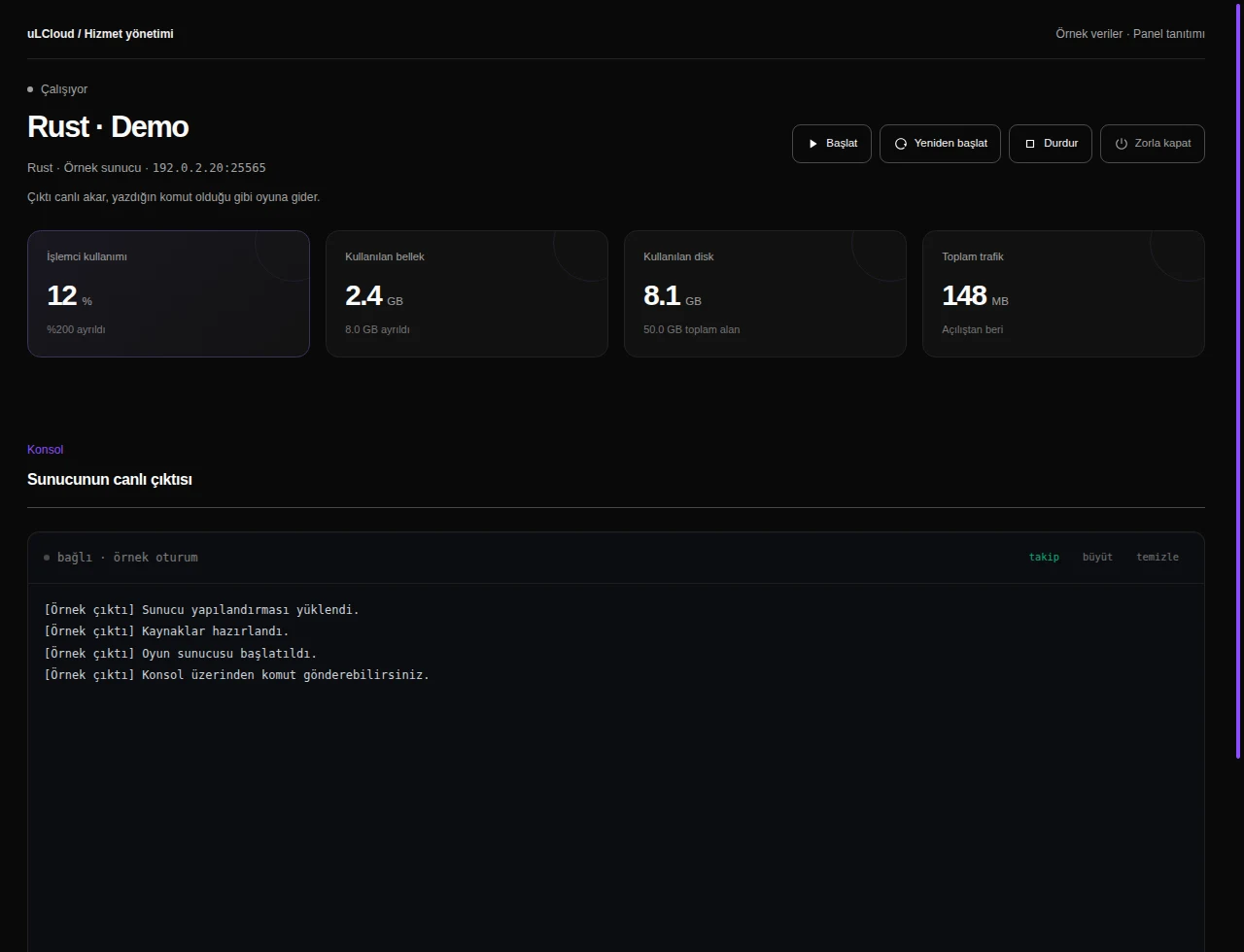
What can you do on this screen?
Read live output, send supported commands and access start, stop and restart controls alongside CPU, memory and disk measurements.
Actual panel design · Sample data · Available features depend on your plan.
Rust is one of the heaviest multiplayer games to host. Memory use is driven less by player count than by map size and how much has been built since the last wipe, which is why every plan here starts at 8 GB of memory and four vCores.
As a rough guide: 8 GB and 12 GB suit small maps and a group of friends, 16 GB and 24 GB suit public servers with established bases, and 32 GB with 12 vCores handles large maps carrying a lot of entities late in a wipe cycle. If you outgrow a plan, memory and disk upgrade from the panel and the difference is prorated onto your next invoice.
Console, file manager and every game setting are waiting the moment the server is delivered. Change map size and seed, set the player slots, enable RCON and adjust startup arguments without opening a ticket.
The live console streams server output as it happens, and the file manager gives you direct access to config and save data — useful when you are preparing a wipe or pulling a backup down before one.
Every plan runs on Intel Core i9-12900K with 128 GB of memory, Gen4 NVMe in RAID and a 1 Gbps port. The disk sits in the server itself, not on network storage, so map generation and save writes are not competing with anyone else's traffic.
Always-on DDoS filtering is included at no surcharge and always on. For a game whose servers are attacked as routinely as Rust's, that is the difference between a busy wipe day and a lost one.
The difference is not the hardware. It is how many hours a month the server costs you.
On your own VDS, the forced monthly wipe, Steam updates, the systemd unit and the firewall are your job. Facepunch ships an update on the first Thursday of each month and Oxide/uMod breaks with it — your server runs without plugins until uMod catches up.
On a managed plan all of that sits with us: flip Oxide on from the panel, install plugins, use the live console. DDoS filtering is included. What you give up is root access.
To be plain about it: for the same hardware a VDS is usually cheaper, and the gap is the price of the labour. If you are consolidating several game servers onto one machine, the VDS wins.
Full comparison: Rust server: VDS or a managed plan?
A small map with a handful of players runs comfortably on 8 GB. Public servers on a large map with many built bases should start at 16 GB, and 24 to 32 GB is the safe choice for a full 4000-size map late in a wipe.
Provisioning starts automatically as soon as payment clears and takes about 55 seconds. Your IP, credentials and console link appear in the panel with no manual setup and no queue.
Yes. Map size, seed, player slots and RCON are all managed from your panel, along with the server startup arguments. Changes take effect on the next server start.
Yes. Every plan sits behind always-on DDoS filtering, at no extra cost and with no protection mode you have to switch on during an attack.
RAM, disk and additional IPs can be upgraded from the panel at any time. The difference is prorated onto your next invoice and most upgrades need no reboot.
Review the available plans, compare their features and continue with your preferred configuration.
Explore plans